
Cryptocurrency Security: Best Practices for Protecting Digital Assets
Introduction to Cryptocurrency Security
As the digital landscape evolves, the proliferation of cryptocurrencies has brought about a revolutionary way of thinking about money and financial transactions. However, with great innovation comes great responsibility, especially when it comes to safeguarding digital assets. Cryptocurrency security is a critical topic that requires attention to ensure the safety and integrity of your investments.
Understanding the Risks
Before delving into the best practices for cryptocurrency security, it's essential to understand the risks associated with digital currencies. Unlike traditional banking systems, cryptocurrencies are typically not backed by a physical commodity or a central authority, making them a prime target for cyber-attacks, scams, and fraud. Additionally, the irreversible nature of blockchain transactions means that a misplaced private key or a hacked wallet can result in irreversible losses.
The Importance of Secure Wallets
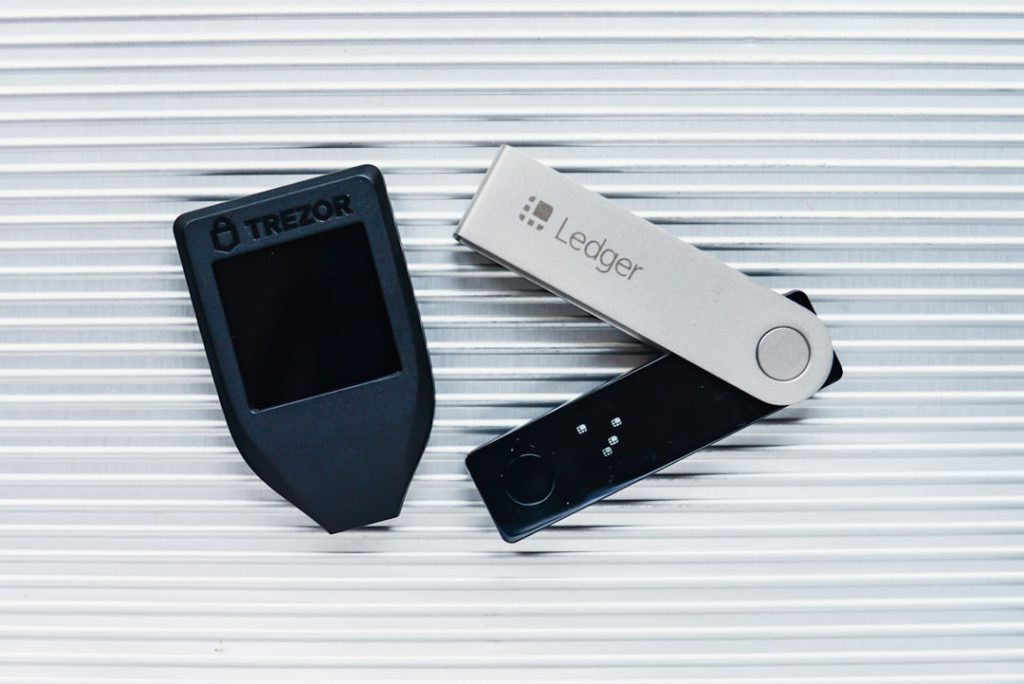
The first step in protecting your cryptocurrency investments is choosing the right wallet. Wallets can be broadly categorized into two types: hot wallets and cold wallets. Hot wallets are connected to the internet and provide convenience for regular transactions but are vulnerable to online threats. On the other hand, cold wallets are offline storage options, such as hardware wallets, which offer enhanced security by limiting exposure to online vulnerabilities.
Best Practices in Cryptographic Security
Encrypting your wallet and using strong, unique passwords are crucial steps in enhancing your wallet's security. Additionally, enabling two-factor authentication (2FA) adds an extra layer of security, making it harder for unauthorized users to gain access to your digital assets.
Regular Software Updates
Keeping your software updated is a critical security measure for protecting your cryptocurrency. This includes not only your digital wallet software but also the operating system and other relevant applications. Updates often include patches for security vulnerabilities that could be exploited by hackers.
The Role of Blockchain in Security
Blockchain technology, which underpins most cryptocurrencies, is renowned for its robust security features. Its decentralized nature distributes data across a network of computers, making it difficult for attackers to alter transaction records. To understand how blockchain can benefit industries beyond cryptocurrencies, consider reading about Blockchain Beyond Bitcoin: Innovative Uses in Various Industries.
Key Management and Backup
Proper key management is paramount in cryptocurrency security. Users should store their private keys—digital codes that allow you to access and manage your assets—securely. Key management best practices include not storing keys on internet-connected devices, using secure backup methods like writing down the key on paper, and storing it in a safe place. Multisignature wallets, which require multiple keys to authorize a transaction, provide an additional layer of security.
Education and Vigilance
Educating yourself on the latest cryptocurrency security threats and staying vigilant against phishing scams and suspicious links are crucial. Always verify sources before downloading any applications and be cautious of emails or messages that request critical information related to your wallet or keys.
Complying with Regulations
Understanding the regulatory frameworks governing cryptocurrencies in various jurisdictions can also play an essential role in protecting your assets. Regulations can offer an additional security layer by providing legal recourse in cases of fraud or theft. Engage with our detailed guide on Navigating the Regulatory Landscape of Cryptocurrencies Worldwide.
Conclusion
As the cryptocurrency sector continues to expand, maintaining robust security measures becomes increasingly crucial. Implementing secure wallets, regular software updates, diligent key management, and ongoing education are paramount in protecting your digital assets from new and evolving threats. By staying informed and vigilant, cryptocurrency users can navigate this dynamic landscape securely and successfully.
Curious to learn about how decentralized technologies are enhancing privacy in the cryptocurrency world? Find out how decentralization in cryptocurrency is paving the way for enhanced privacy.
Remember, the security of your digital assets is in your hands—arm yourself with knowledge and best practices to safeguard your investments.
Leave a Reply