
The Role of Blockchain in Promoting Sustainable Energy Solutions
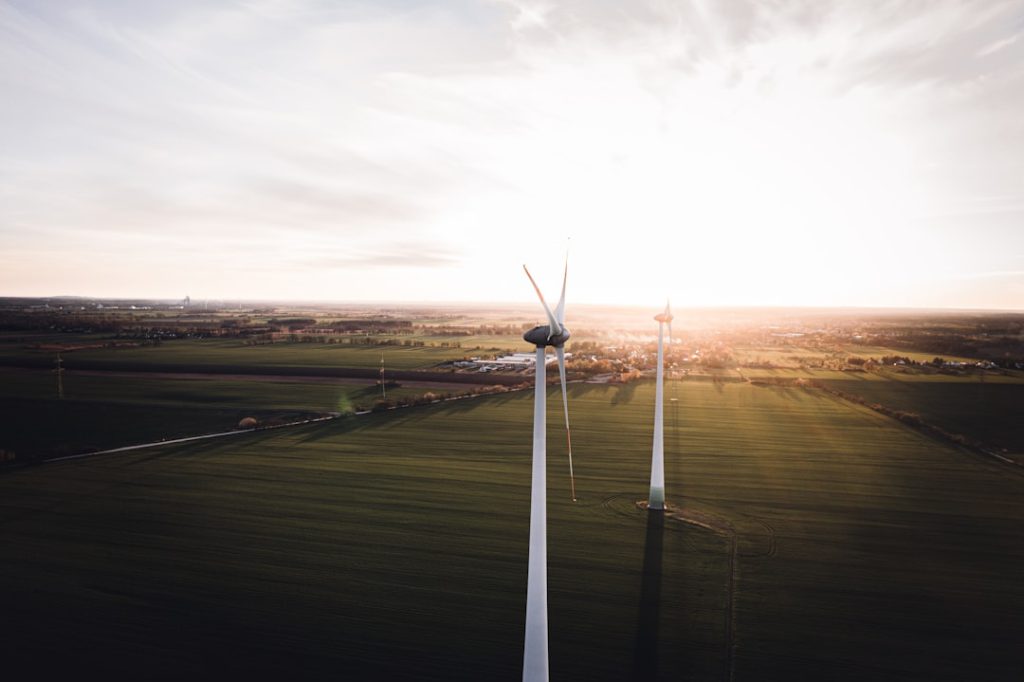
As the world grapples with the dual challenges of increasing energy demands and the urgent need for sustainable practices, blockchain technology emerges as a potentially transformative solution. Known primarily for its role in powering digital currencies, blockchain's capabilities extend far beyond the realm of finance. This article explores how blockchain technology plays a pivotal role in fostering sustainable energy solutions by enhancing transparency, efficiency, and interoperability within the energy sector.
Understanding Blockchain's Potential in Energy Sector
At its core, blockchain is a decentralized digital ledger that records transactions across multiple computers such that the record cannot be altered retroactively without the alteration of all subsequent blocks and the consensus of the network. This inherent transparency and security make blockchain an attractive option for the energy industry, which often deals with complex transactions and data management across various stakeholders.
Sustainable Energy Trading
One significant application of blockchain in sustainable energy is its use in improving the efficiency of energy trading systems. By enabling peer-to-peer energy trading, blockchain technology allows households and businesses with renewable energy installations, like solar panels, to sell excess energy directly to other consumers without the need for traditional energy suppliers. This not only reduces energy wastage but also encourages the adoption of renewable energy by making it more economically viable for producers and accessible to consumers.
Enhanced Grid Management
Blockchain technology also holds the key to more efficient grid management systems. It can be used to create a responsive and user-friendly grid that can handle intermittent energy supplies from renewable sources such as solar and wind power. Blockchain helps in accurately tracking and forecasting energy production which can optimize grid operations and reduce dependence on unsustainable power sources that are used for load balancing.
The decentralized nature of blockchain is highlighted in the field of privacy-enhanced and secured decentralized applications which parallels its potential in decentralized energy systems.
Blockchain in Action: Case Studies
Several innovative projects around the world exemplify how blockchain is being integrated into the energy sector. In Brooklyn, New York, the Brooklyn Microgrid project enables participants to buy and sell locally generated solar power within their community without the need of an intermediary. This not only supports local energy resilience but also rids the system of inefficiencies associated with traditional energy distribution.
Moreover, in other parts of the world, blockchain platforms are being used to issue digital "green certificates" that verify the renewable origin of the energy being used, fostering trust and promoting the consumption of clean energy.
Reducing Environmental Impact
Blockchain's role in sustainable energy solutions also extends to environmental impacts. Traditionally, the environmental impact of technologies like cryptocurrency mining has been considerable. However, blockchain applications in energy focus on optimizing systems to reduce overall carbon footprints, thereby aligning with global sustainability goals.
Challenges and Future Perspectives
While blockchain offers substantial benefits to the energy sector, it is not without its challenges. Issues such as the high energy consumption of blockchain systems themselves, regulatory hurdles, and the need for significant investment in new technologies pose challenges to widespread adoption. Nonetheless, the future looks hopeful as innovations continue to emerge, and regulatory frameworks evolve.
Projects like Decentralized Finance (DeFi) applications demonstrate the scalability of blockchain technology, suggesting potential for further growth in the energy sector.
Conclusion
Blockchain technology holds promising potential to revolutionize the sustainable energy landscape. By making energy systems more transparent, efficient, and decentralized, blockchain supports the shift towards sustainable energy practices that are essential for meeting global energy demands while reducing environmental impacts. As the technology matures and scales, it could play a crucial role in achieving energy sustainability.
Interested in learning more about the innovative applications of blockchain technology? Find out how blockchain is being used beyond Bitcoin in various industries.
Leave a Reply